
Gluing Vs Glueing: What Is the Difference & Which Is Correct?
“Gluing” and “glueing” both come from the verb “glue,” but they can create confusion because English spelling rules are not always predictable. The main difference … Read More
“Gluing” and “glueing” both come from the verb “glue,” but they can create confusion because English spelling rules are not always predictable. The main difference … Read More
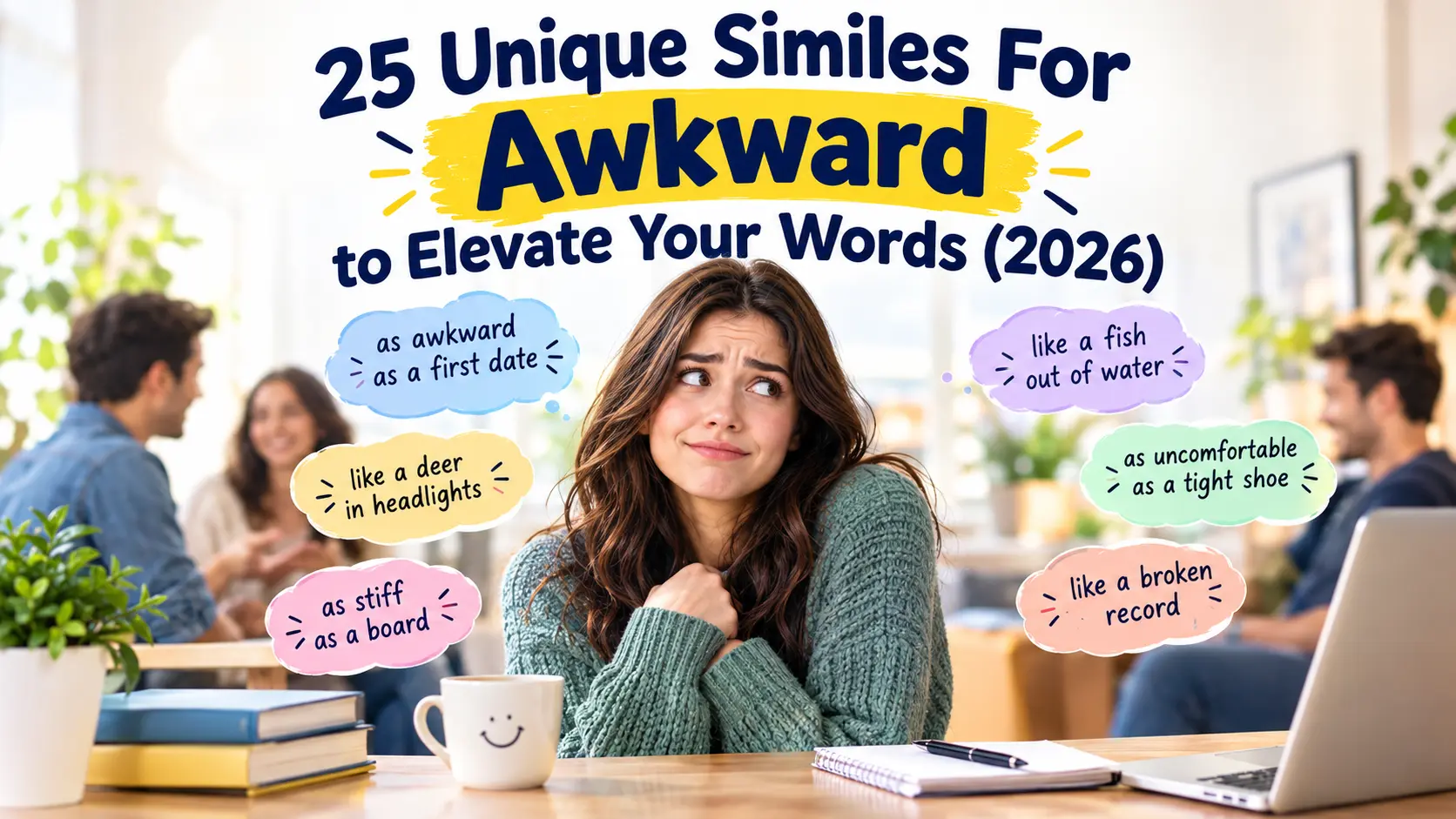
Finding the right similes for awkward moments can make your writing more vivid, relatable, and memorable. Instead of simply saying that someone felt uncomfortable, embarrassed, … Read More
“Shown” and “showed” both come from the verb “show,” but they do not work in the same grammatical situations. The key difference is that “showed” … Read More
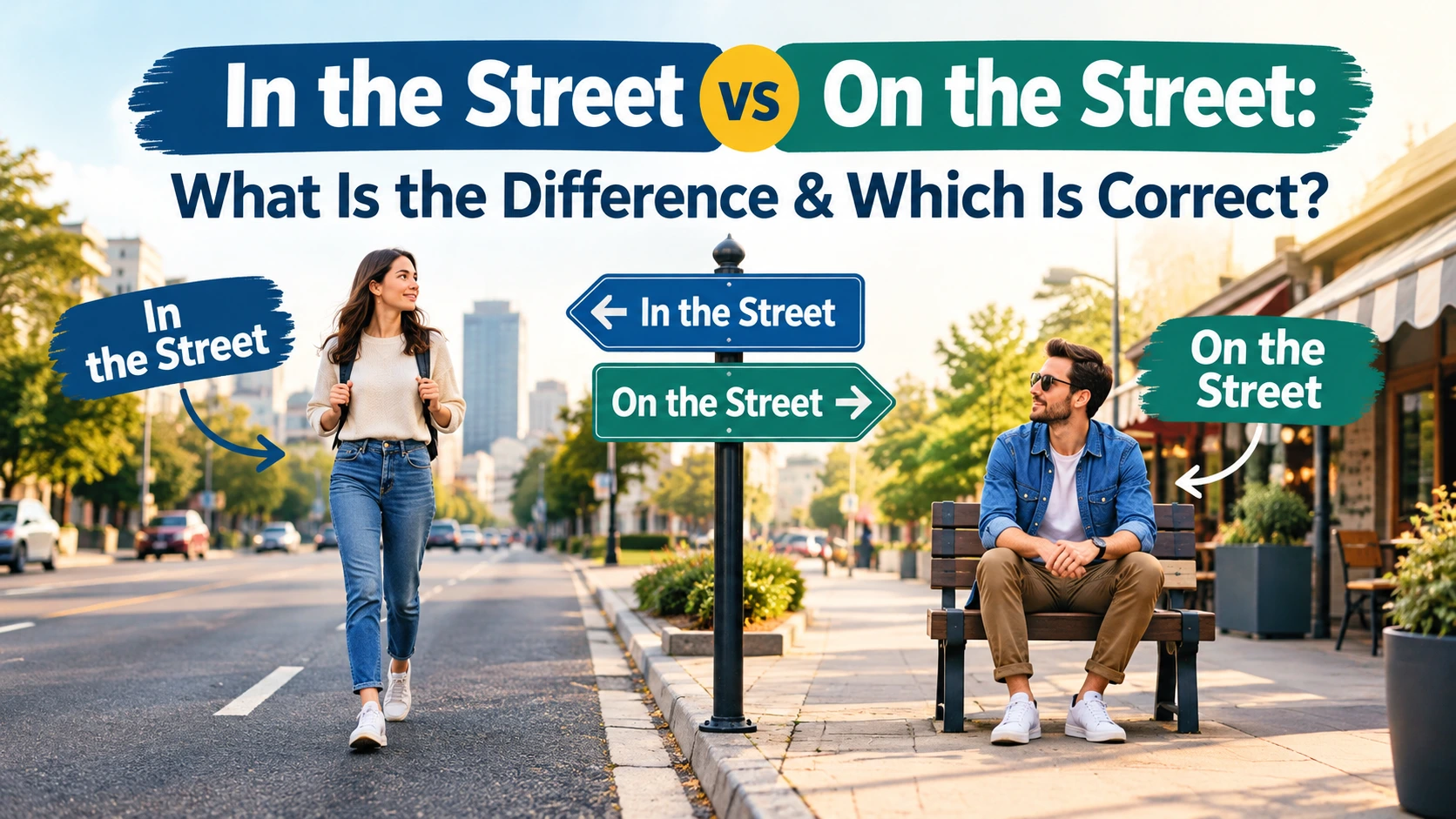
“In the street” and “on the street” are both grammatically correct, but they are not always interchangeable. The difference usually depends on whether you mean … Read More

“Setup” and “set up” sound identical, but they have different grammatical roles and meanings in English. Setup is usually a noun or adjective describing an … Read More
“Thanks a lot” is a common English expression used to show gratitude, but its meaning can sometimes depend on tone and context. It may sound … Read More
“My wife and I” and “my wife and me” are both grammatically correct, but they are used in different situations. The key is understanding whether … Read More

Similes for strong help writers describe physical power, emotional resilience, determination, confidence, and lasting support in vivid ways. Instead of simply saying someone is strong, … Read More
“Color” and “colour” have exactly the same meaning, but their spelling depends on the variety of English you use. Color is standard in American English, … Read More

Music can be difficult to describe because it carries emotion, movement, rhythm, and atmosphere all at once. Similes for music make those qualities easier to … Read More