
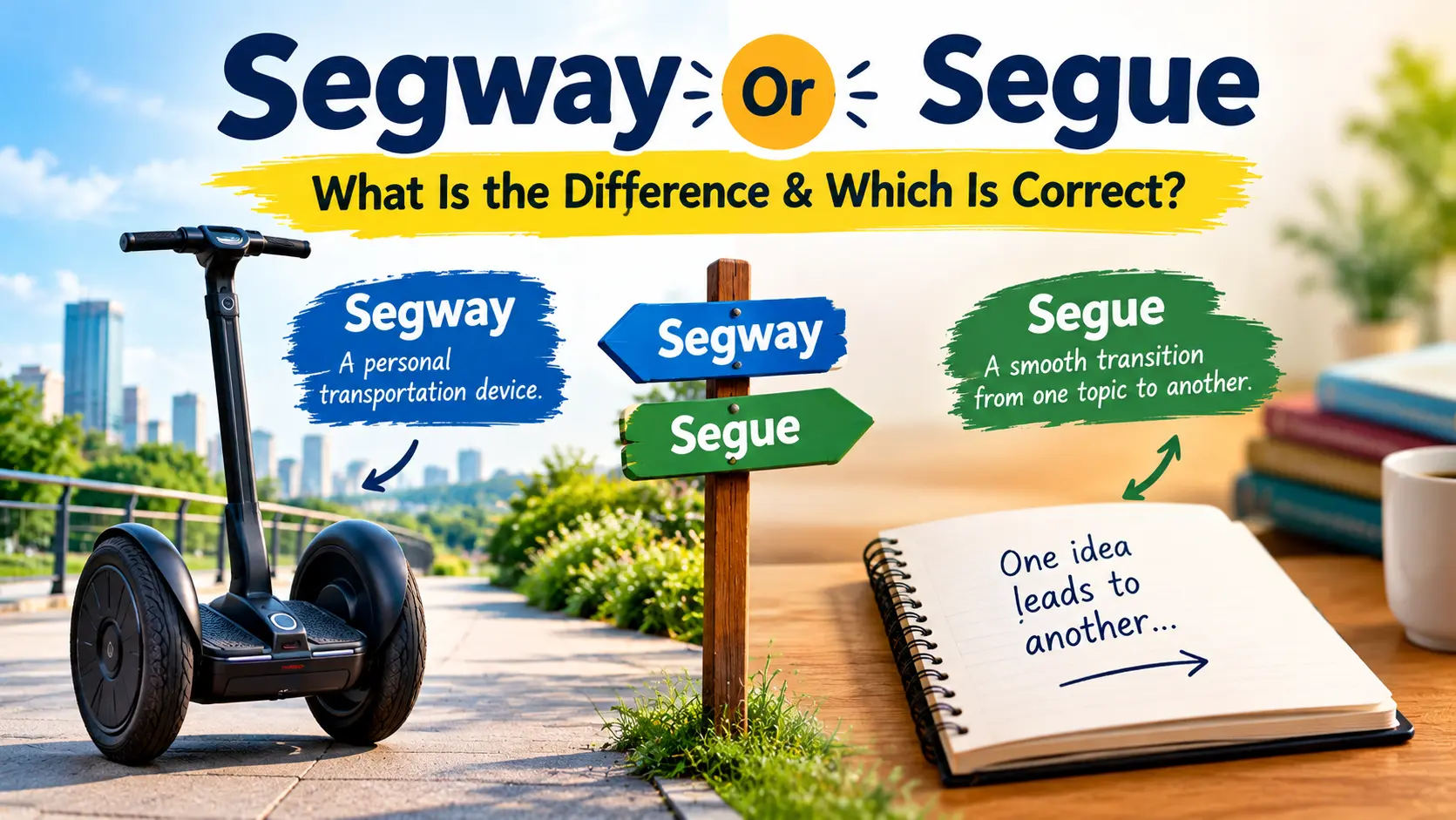
Segway Or Segue: What Is the Difference & Which Is Correct?
If you have ever wondered whether the correct word is Segway or segue, you are not alone. These terms sound almost identical, but they have … Read More
If you have ever wondered whether the correct word is Segway or segue, you are not alone. These terms sound almost identical, but they have … Read More
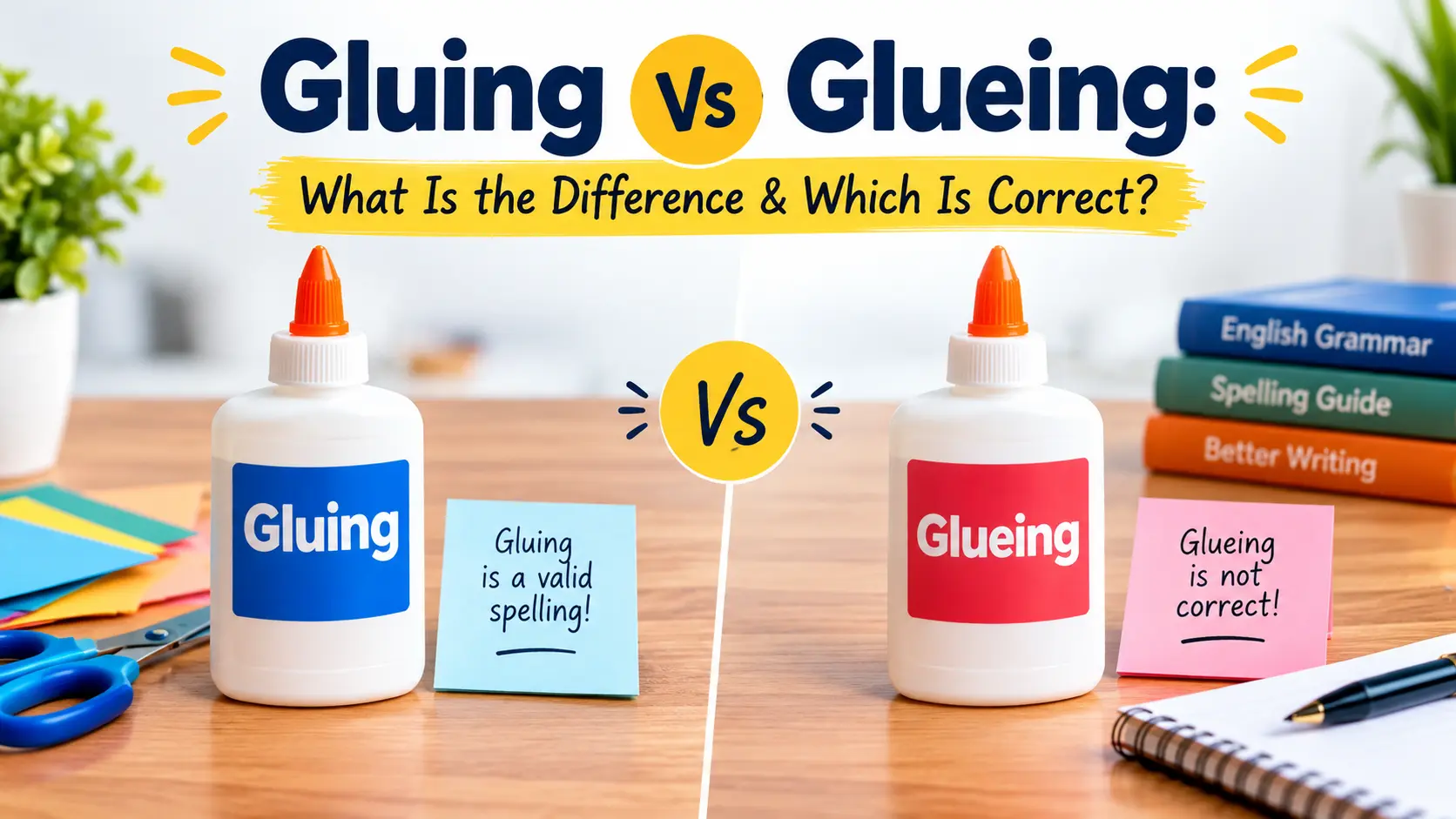
“Gluing” and “glueing” both come from the verb “glue,” but they can create confusion because English spelling rules are not always predictable. The main difference … Read More

Similes for sadness help writers turn difficult emotions into clear, memorable images. Instead of simply saying someone feels sad, a well-crafted simile can show what … Read More
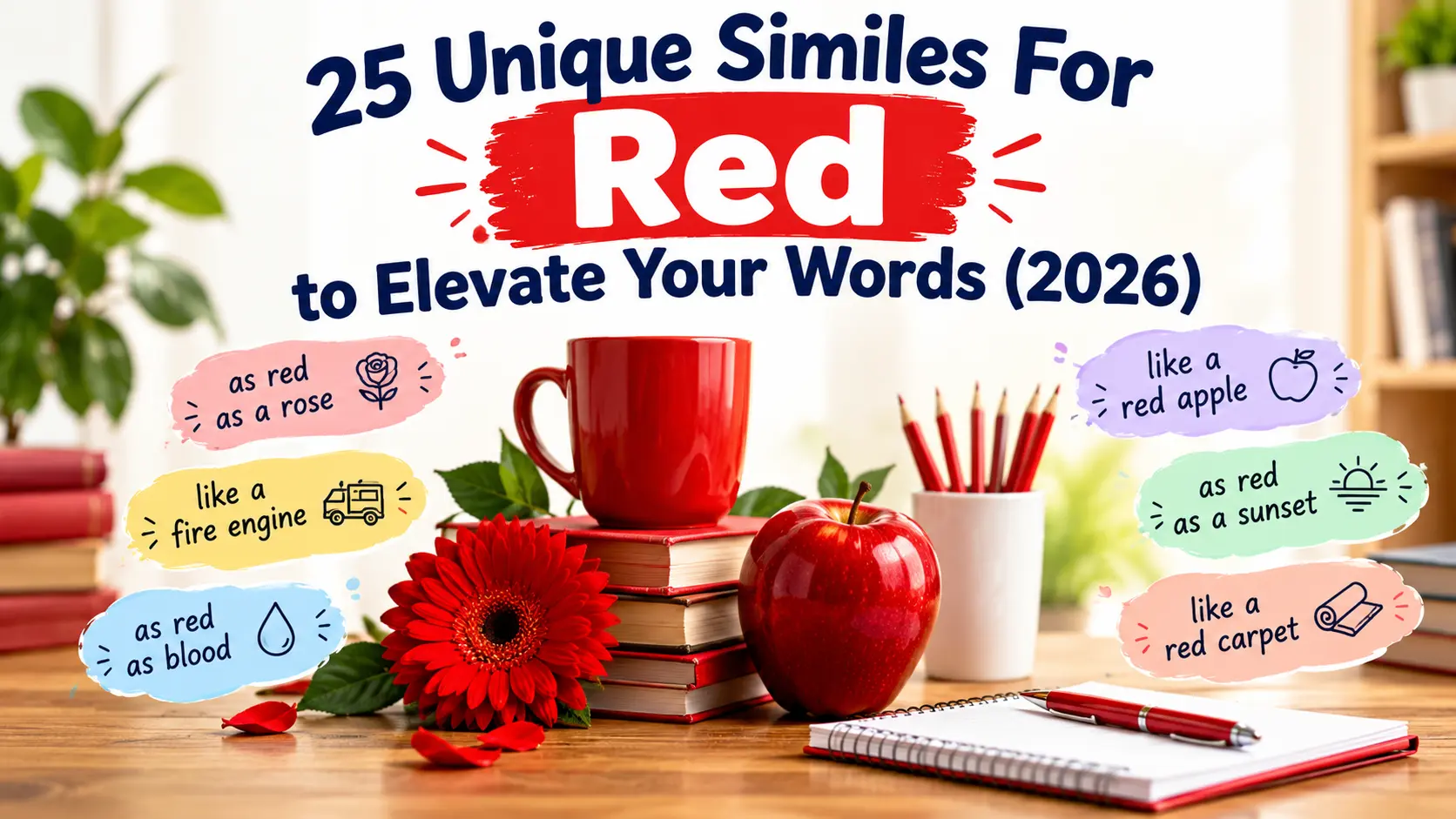
Red is one of the most vivid colors in language, often connected with passion, love, danger, energy, heat, beauty, and power. Similes For Red help … Read More
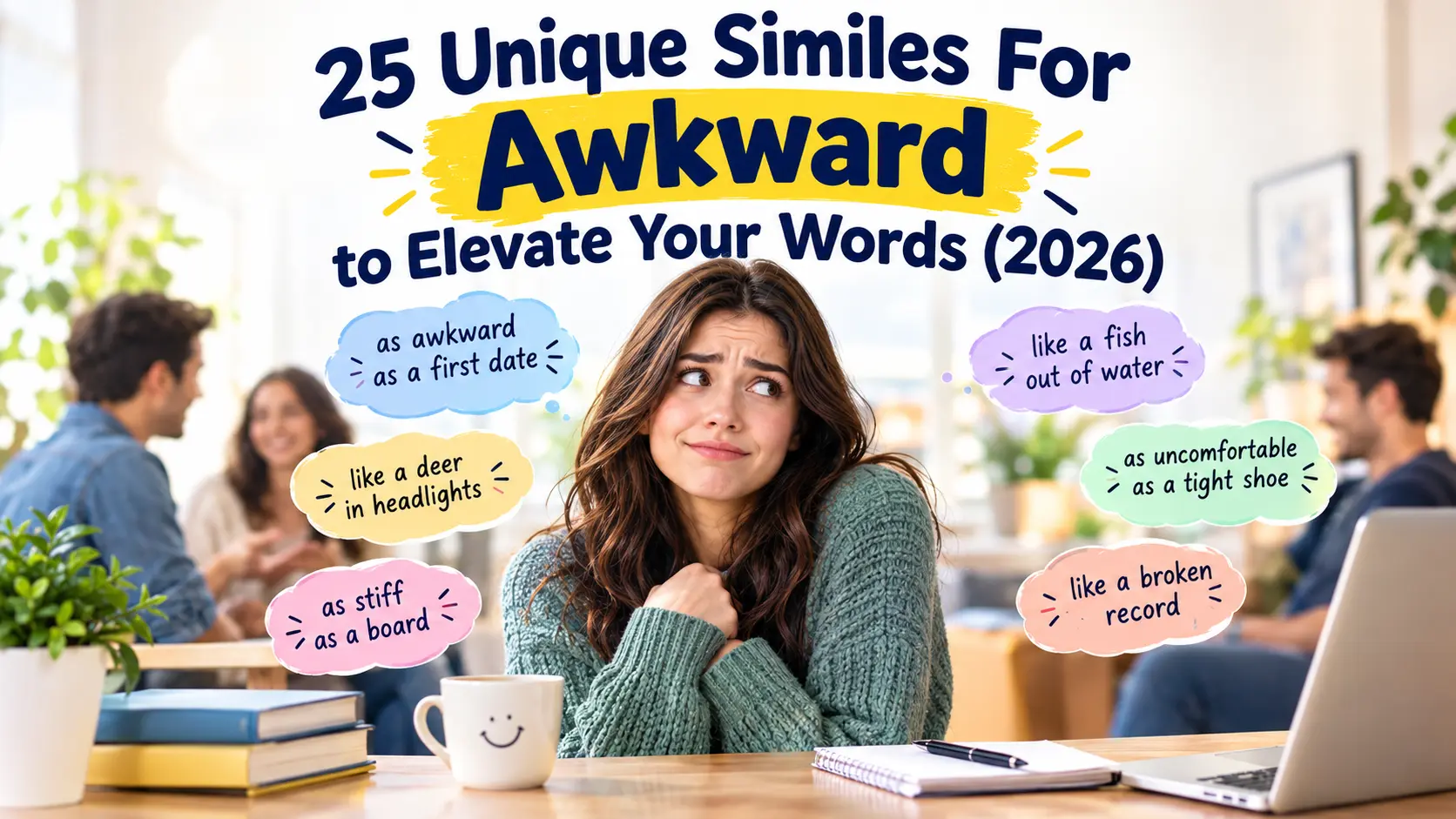
Finding the right similes for awkward moments can make your writing more vivid, relatable, and memorable. Instead of simply saying that someone felt uncomfortable, embarrassed, … Read More
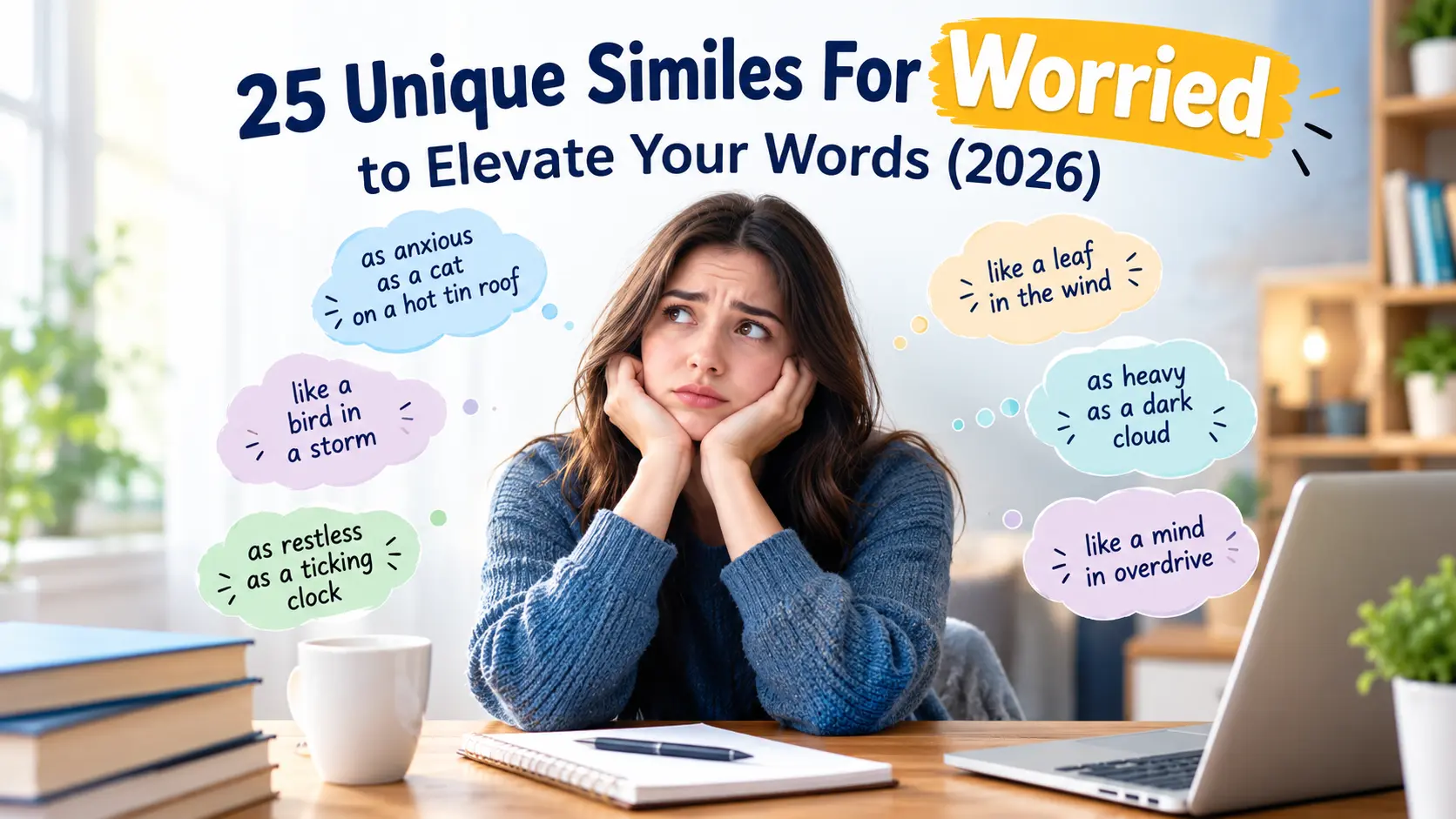
Worry can be difficult to describe with ordinary words. Similes for worried help writers turn an invisible feeling into a clear, memorable image by comparing … Read More
Finding the right similes for crying can turn a simple description of tears into a vivid emotional moment. Instead of simply saying someone “cried,” a … Read More
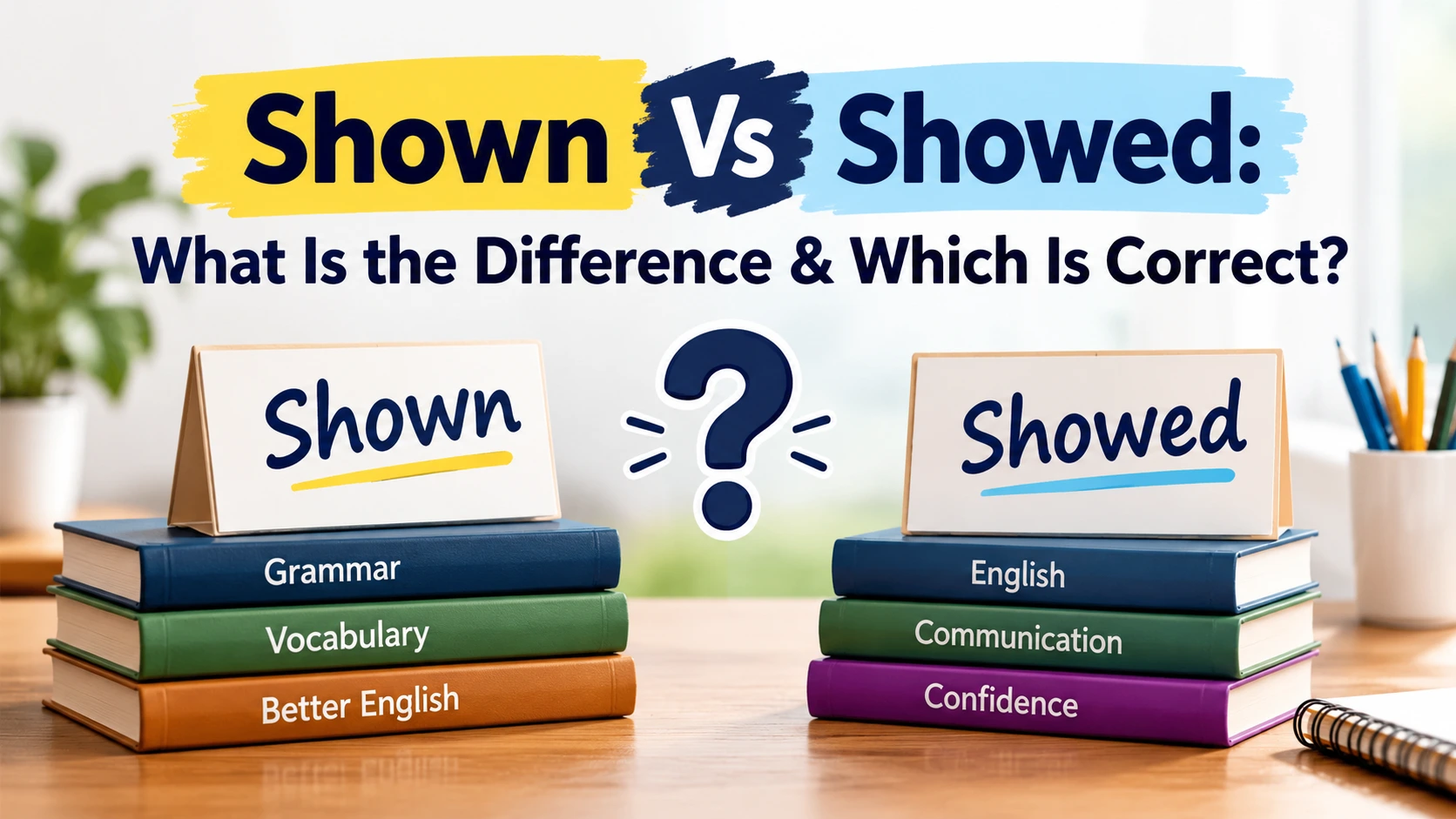
“Shown” and “showed” both come from the verb “show,” but they do not work in the same grammatical situations. The key difference is that “showed” … Read More
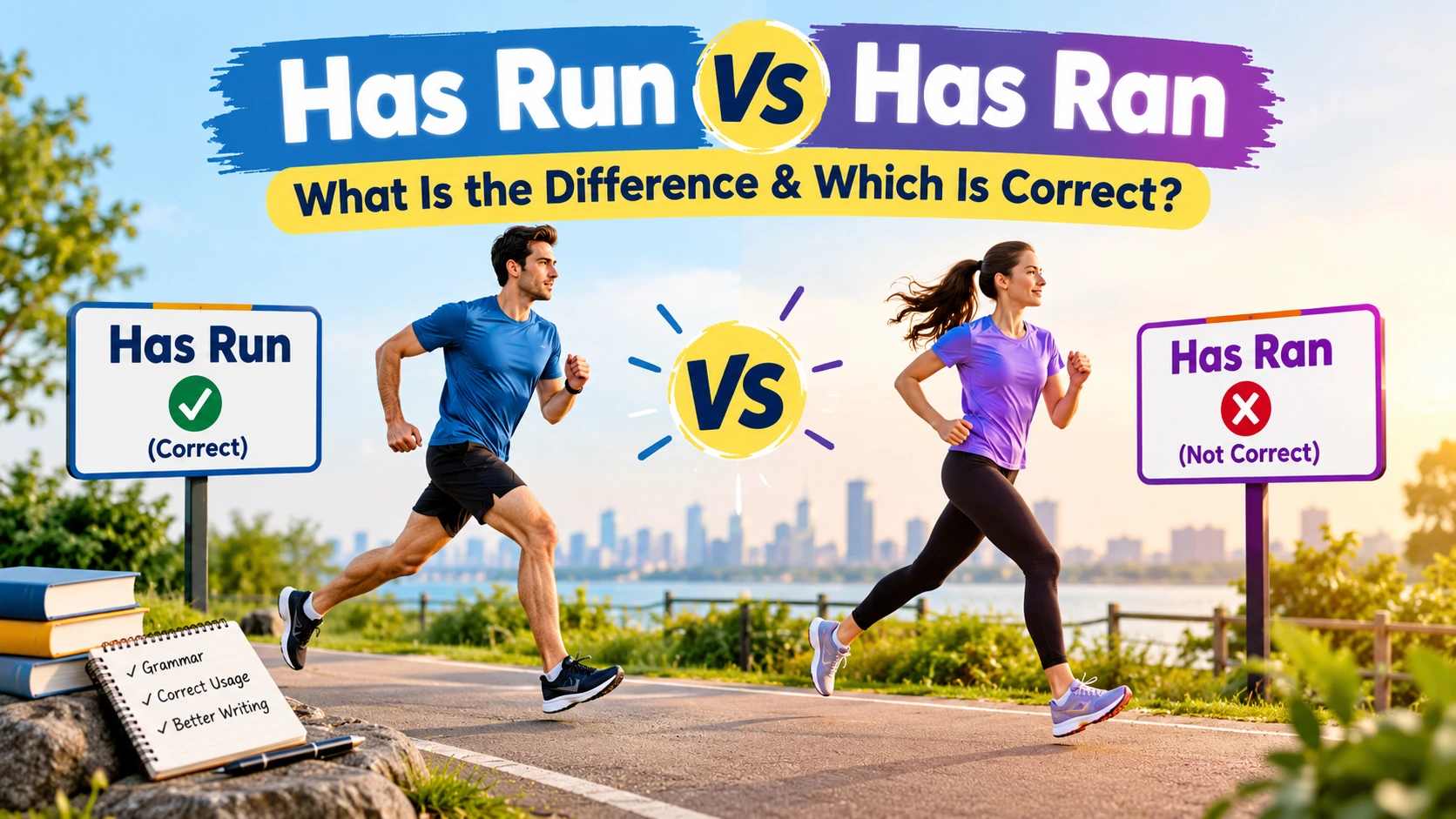
“Has run” and “has ran” are often confused because both forms come from the verb “run.” However, only one is grammatically correct after “has.” Understanding … Read More

When deciding between “it worth it” and “it is worth it,” the correct choice is clear in standard English: “it is worth it” is grammatically … Read More