
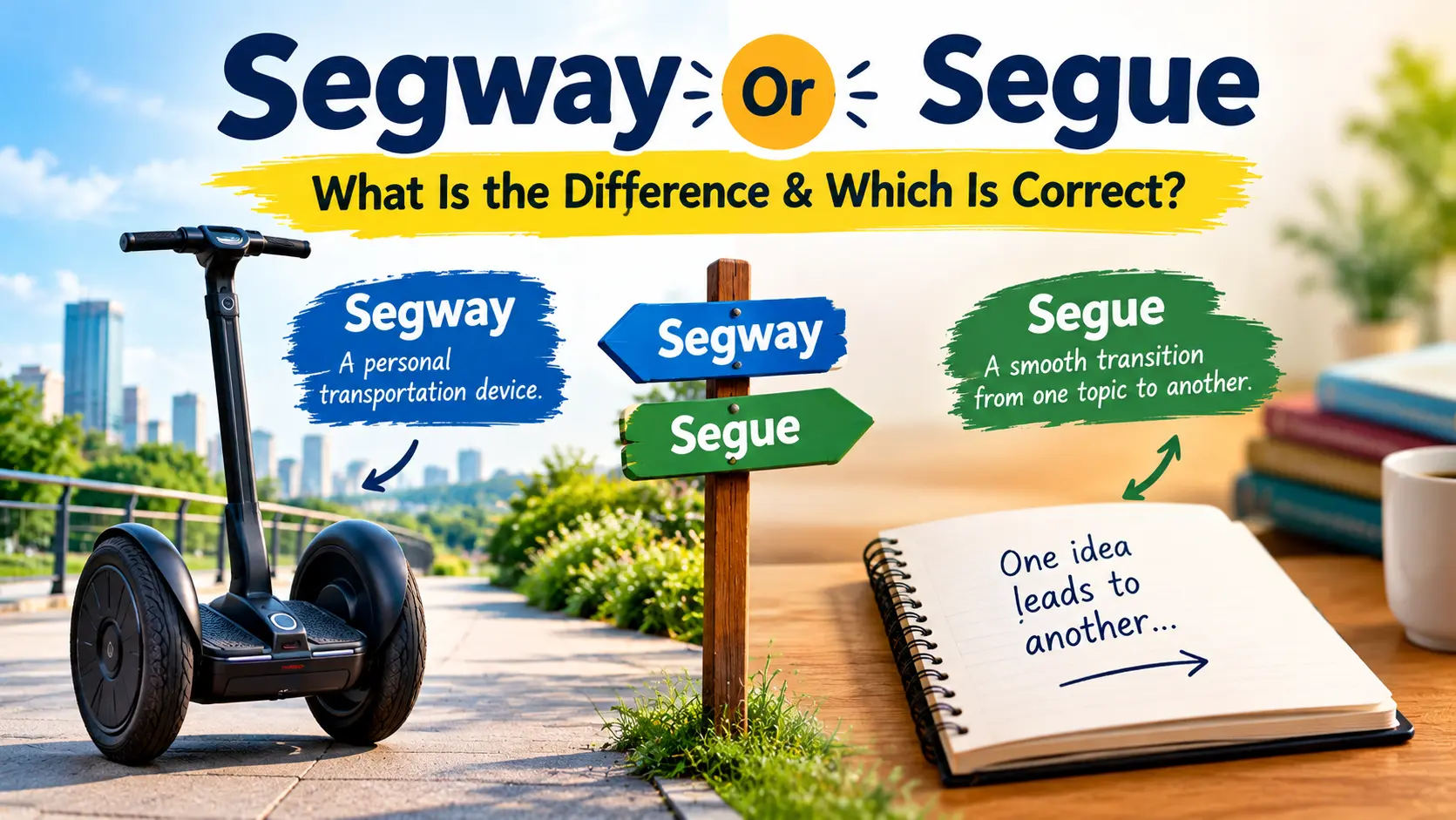
Segway Or Segue: What Is the Difference & Which Is Correct?
If you have ever wondered whether the correct word is Segway or segue, you are not alone. These terms sound almost identical, but they have … Read More
If you have ever wondered whether the correct word is Segway or segue, you are not alone. These terms sound almost identical, but they have … Read More
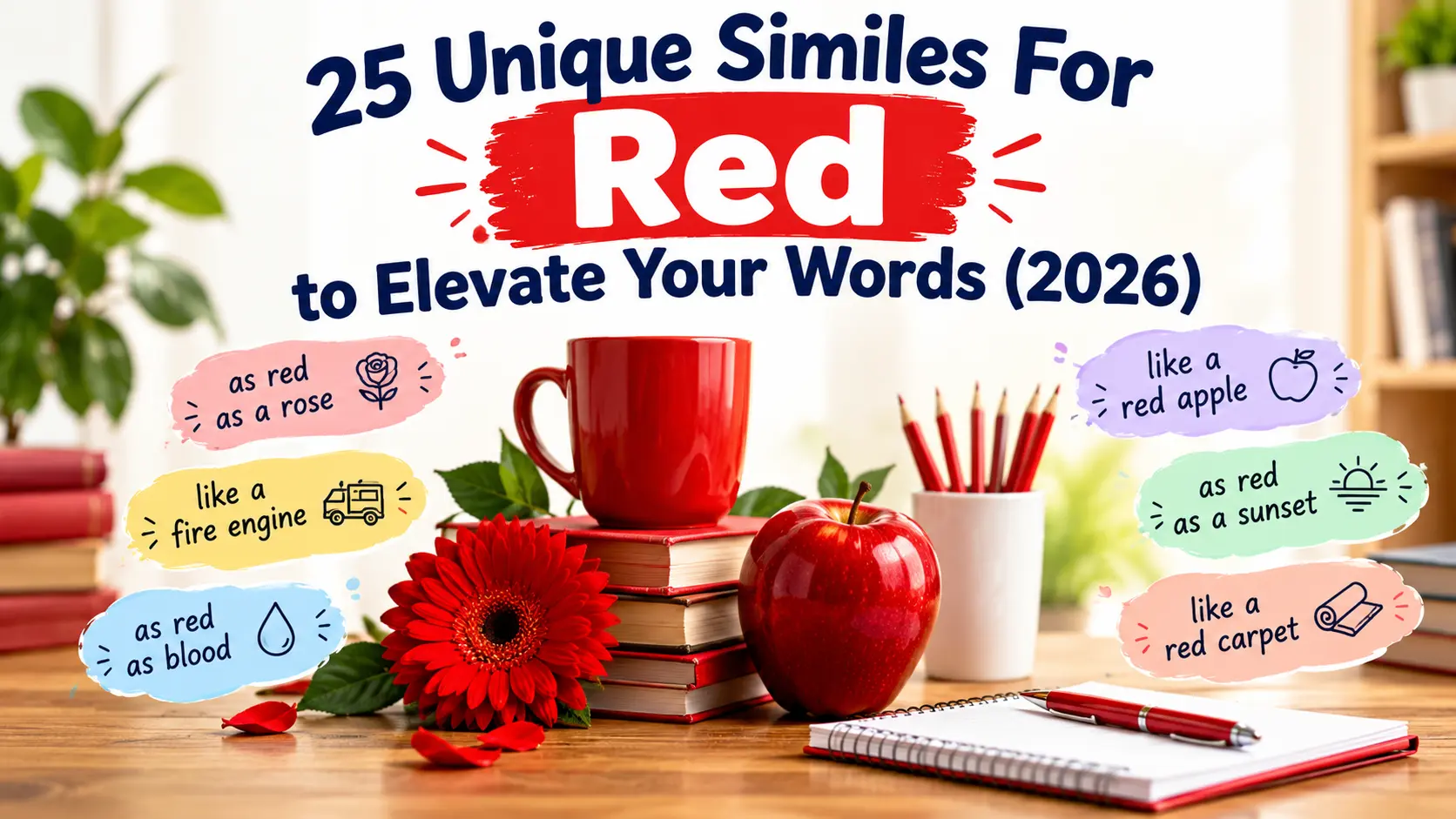
Red is one of the most vivid colors in language, often connected with passion, love, danger, energy, heat, beauty, and power. Similes For Red help … Read More
Finding the right similes for crying can turn a simple description of tears into a vivid emotional moment. Instead of simply saying someone “cried,” a … Read More

When deciding between “it worth it” and “it is worth it,” the correct choice is clear in standard English: “it is worth it” is grammatically … Read More
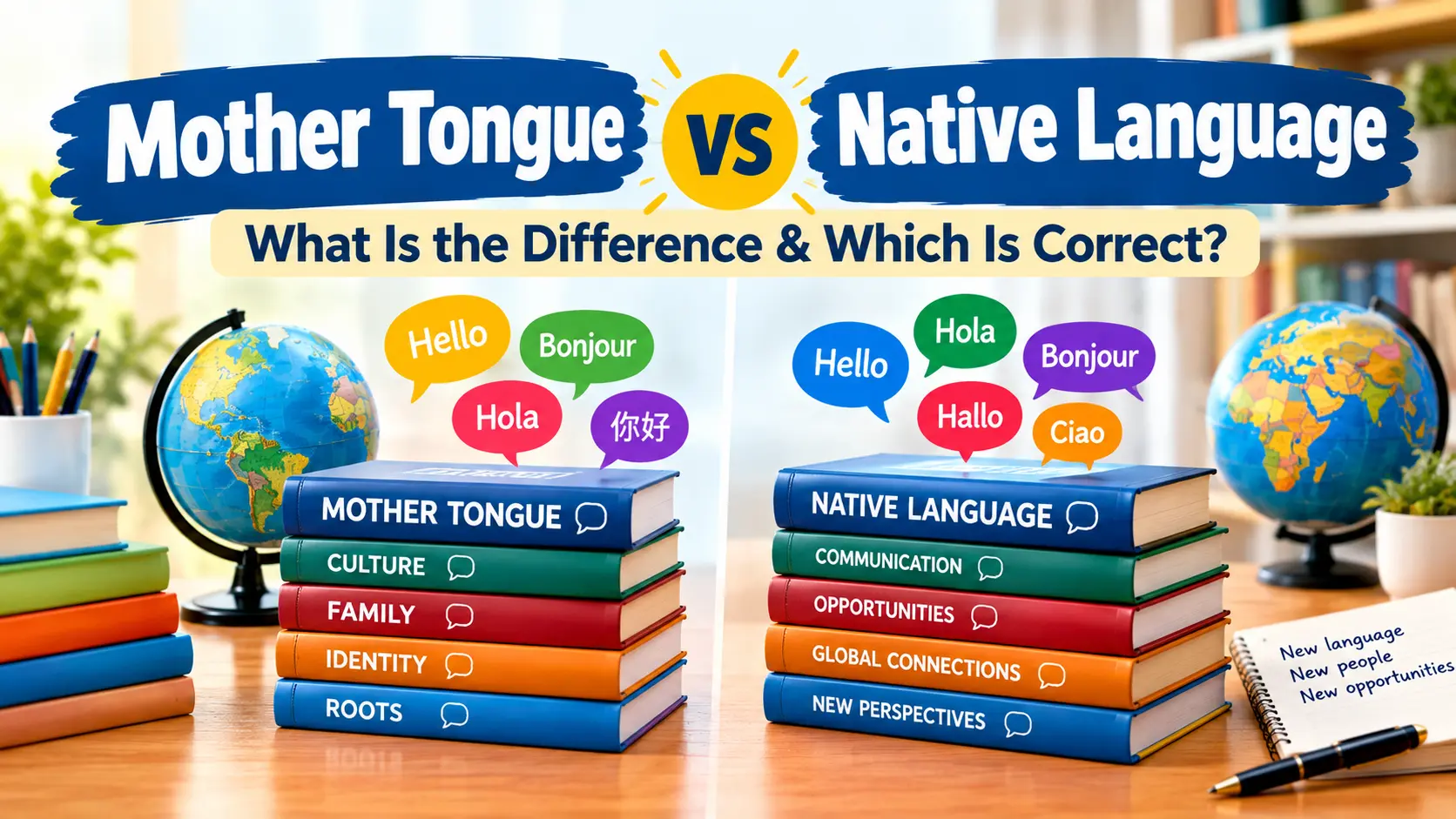
“Mother tongue” and “native language” are often used interchangeably, but they can carry slightly different meanings depending on context. Both describe a language connected to … Read More
“Due to” and “do to” may sound almost identical, but they have very different meanings and grammatical functions. Due to is a standard English phrase … Read More
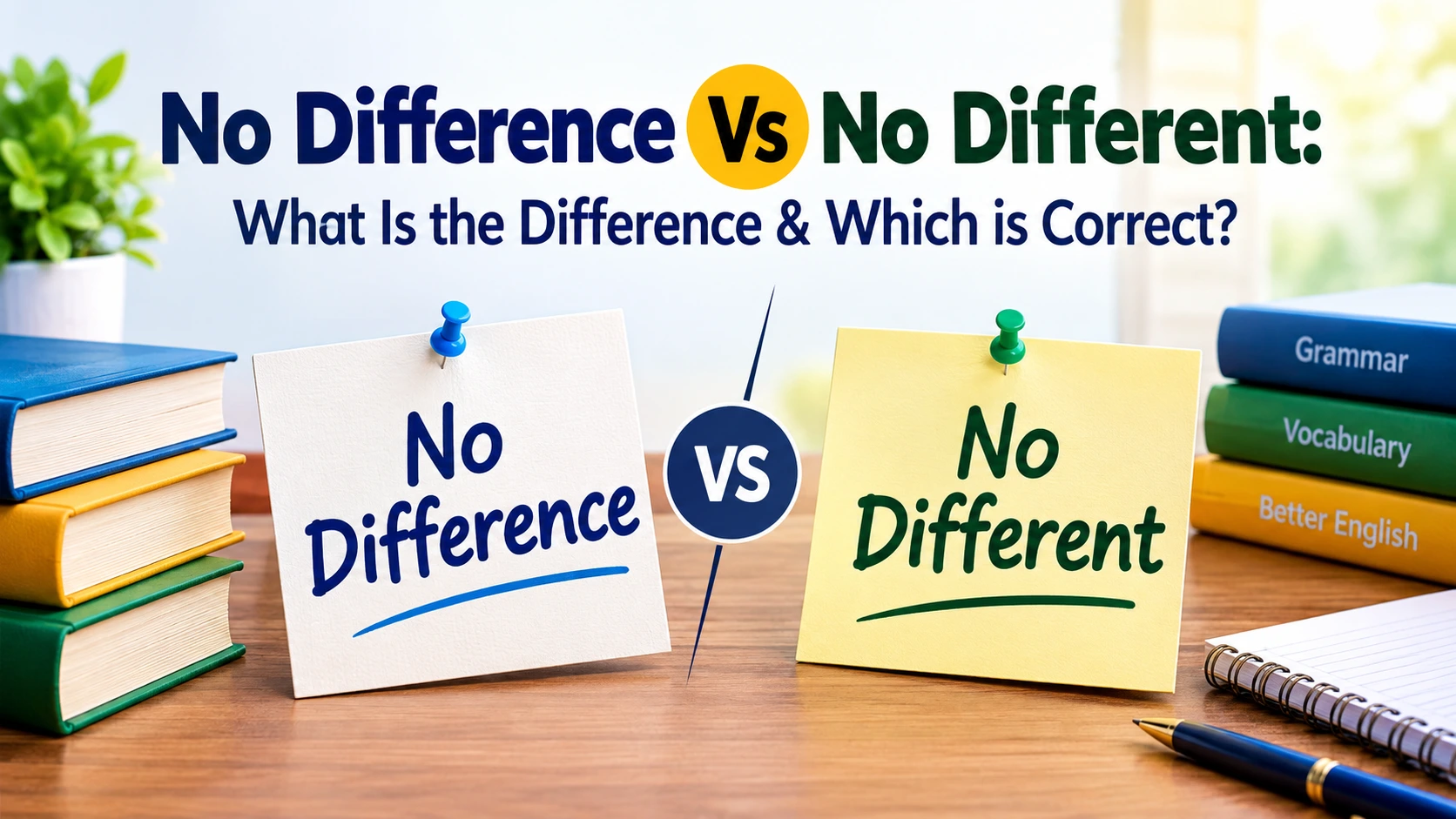
“No difference” and “no different” look similar, but they do not work the same way in English. The key distinction is grammatical: difference is a … Read More
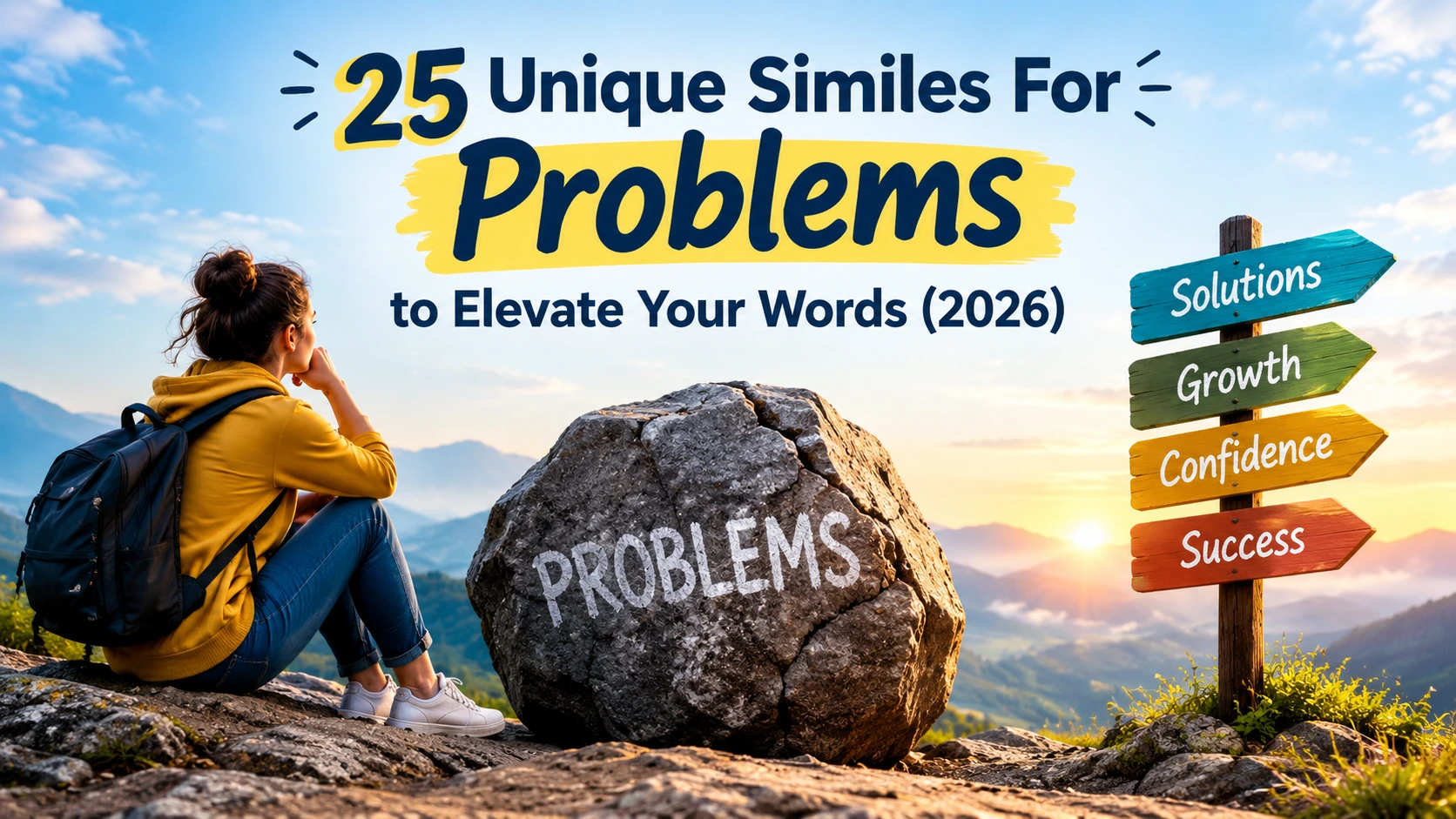
Problems are a natural part of life, work, learning, and relationships, but describing them clearly can sometimes feel difficult. Similes for problems help turn complicated … Read More

Finding the right similes for being happy can make ordinary descriptions feel vivid, emotional, and memorable. Instead of simply saying someone feels happy, a strong … Read More
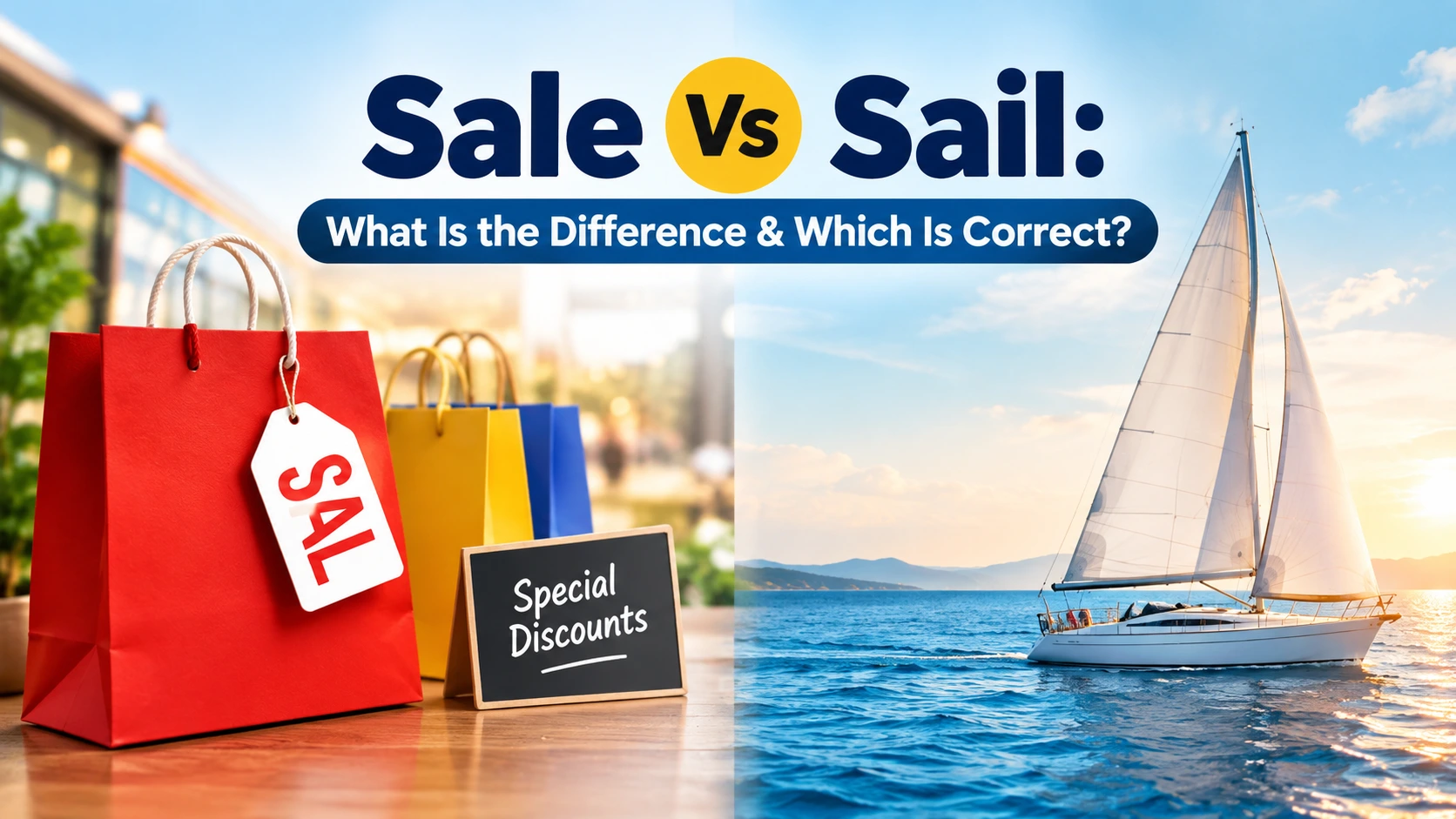
“Sale” and “sail” sound exactly alike, but they have completely different meanings and uses. Sale is a noun related to selling, discounts, or the act … Read More