
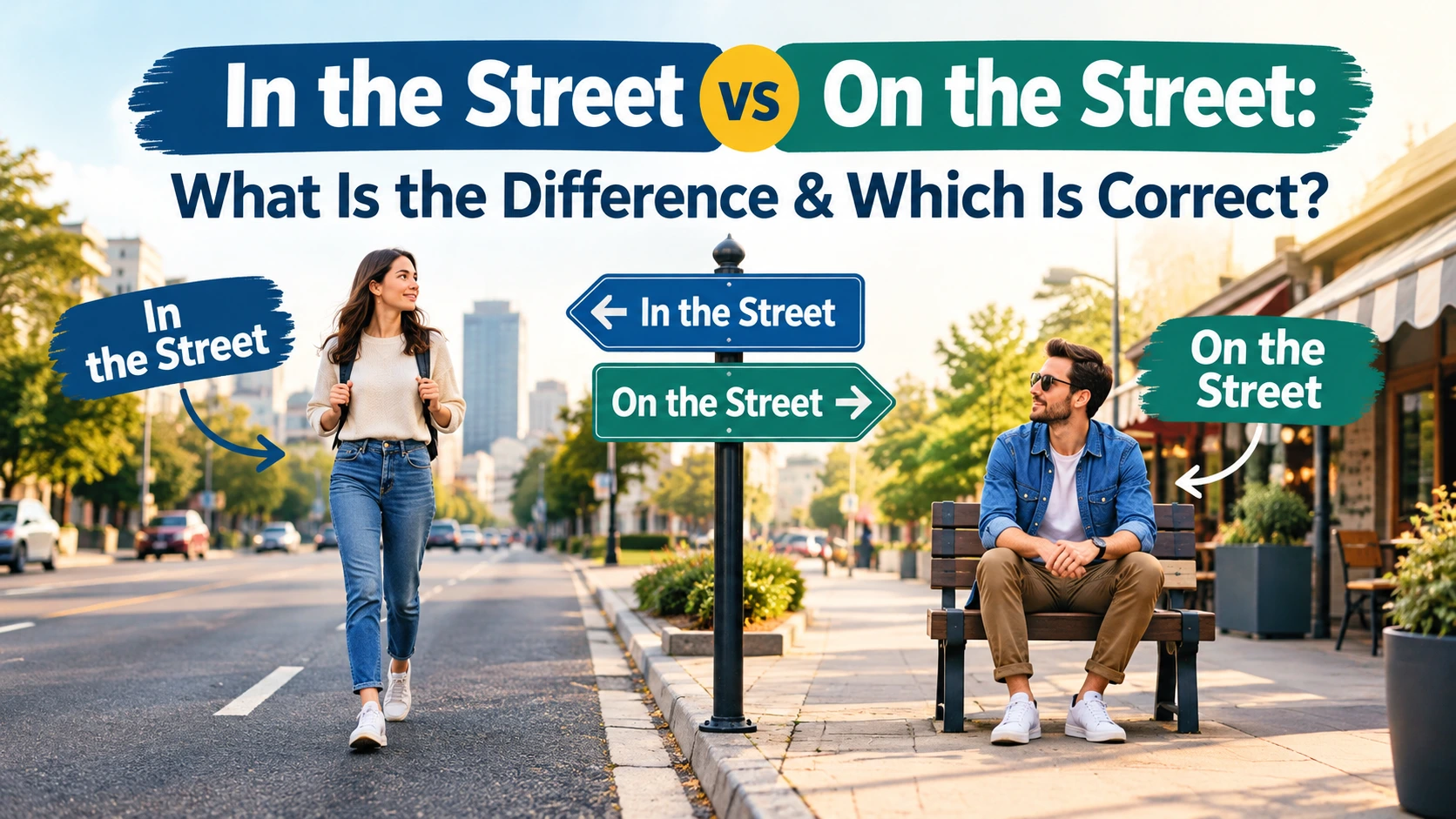
In the Street Vs On the Street: What Is the Difference & Which Is Correct?
“In the street” and “on the street” are both grammatically correct, but they are not always interchangeable. The difference usually depends on whether you mean … Read More
“In the street” and “on the street” are both grammatically correct, but they are not always interchangeable. The difference usually depends on whether you mean … Read More
“Swap” and “swop” have the same basic meaning: to exchange one thing for another. However, swap is by far the more common spelling in modern … Read More
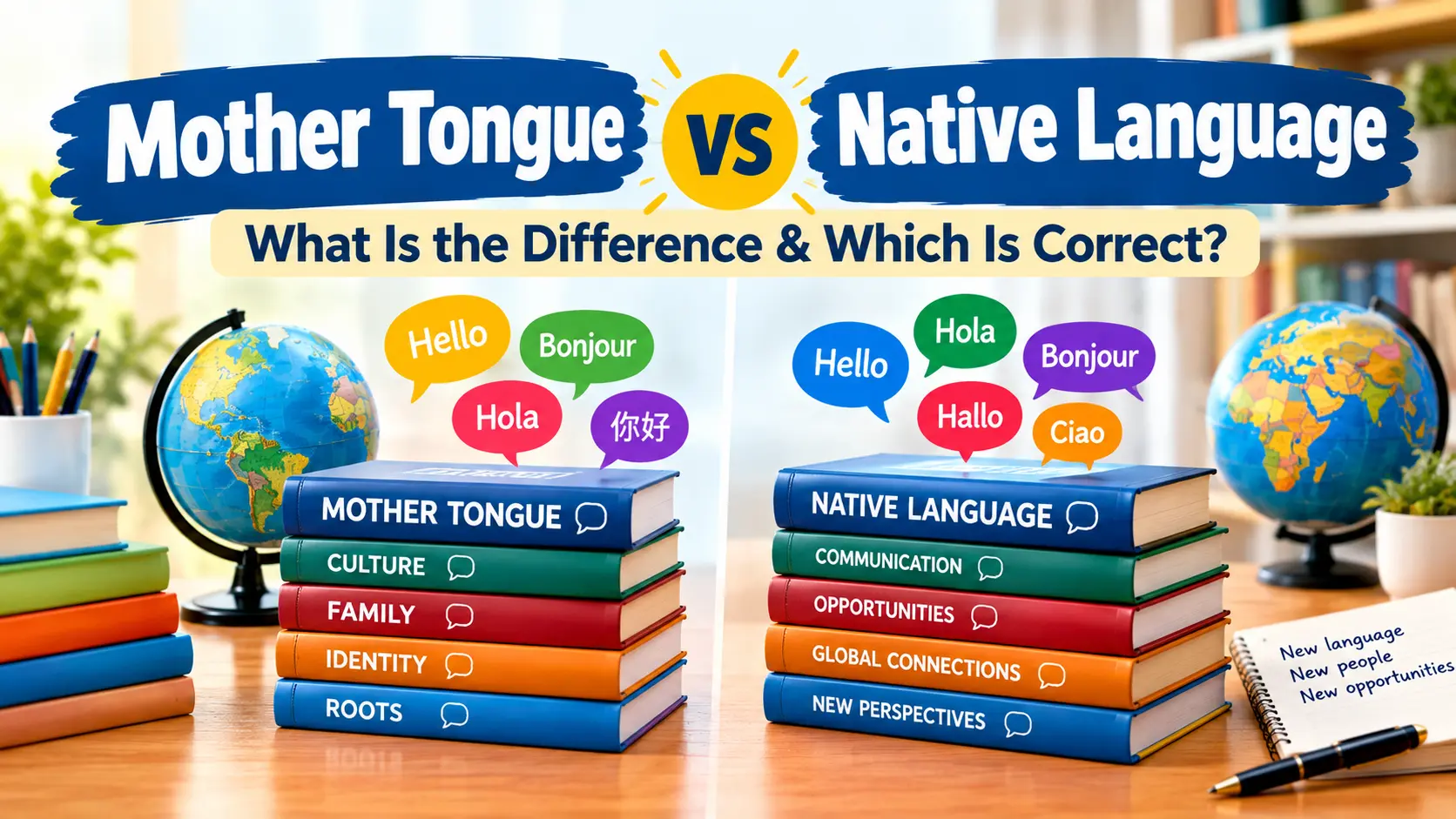
“Mother tongue” and “native language” are often used interchangeably, but they can carry slightly different meanings depending on context. Both describe a language connected to … Read More

“Setup” and “set up” sound identical, but they have different grammatical roles and meanings in English. Setup is usually a noun or adjective describing an … Read More
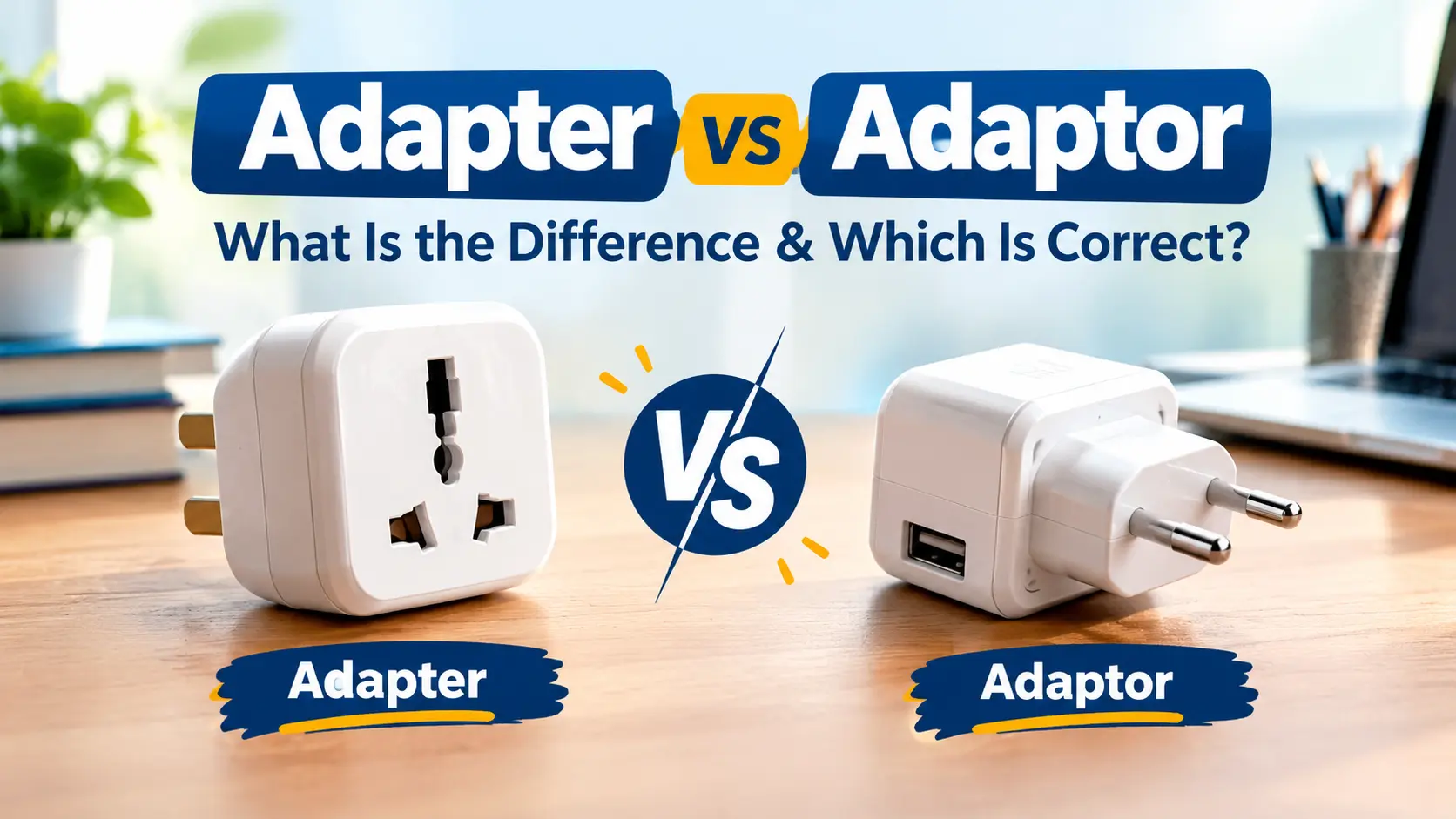
“Adapter” and “adaptor” have the same basic meaning, but their spelling and usage can vary by region and context. Both refer to something that adapts … Read More
“Due to” and “do to” may sound almost identical, but they have very different meanings and grammatical functions. Due to is a standard English phrase … Read More

“Thanks a lot” is a common English expression used to show gratitude, but its meaning can sometimes depend on tone and context. It may sound … Read More

“Did you had” and “did you have” may look similar, but only one is grammatically correct in standard English. The confusion happens because did already … Read More
“No difference” and “no different” look similar, but they do not work the same way in English. The key distinction is grammatical: difference is a … Read More

“My wife and I” and “my wife and me” are both grammatically correct, but they are used in different situations. The key is understanding whether … Read More