

Persue Or Pursue: What Is the Difference & Which Is Correct?
“Persue” and “pursue” look very similar, but only one is a correct English word. Pursue is the standard spelling and means to follow, seek, or … Read More
“Persue” and “pursue” look very similar, but only one is a correct English word. Pursue is the standard spelling and means to follow, seek, or … Read More

“Headed” and “heading” are closely related forms of the verb head, but they are not interchangeable in every sentence. The main difference involves tense, sentence … Read More
“Smoothe” and “smooth” look almost identical, but they are not equally correct in modern English. Smooth is the standard spelling used as an adjective, verb, … Read More
Gases and gasses look almost identical, but they do not have the same meaning or grammatical function. The difference becomes clear once you know whether … Read More
Choosing between assume, presume, and infer can be confusing because all three words involve forming an idea or conclusion when something is not stated completely. … Read More
“Neither” and “either” are commonly confused because both refer to two choices or people. However, they express opposite ideas: neither means “not one and not … Read More
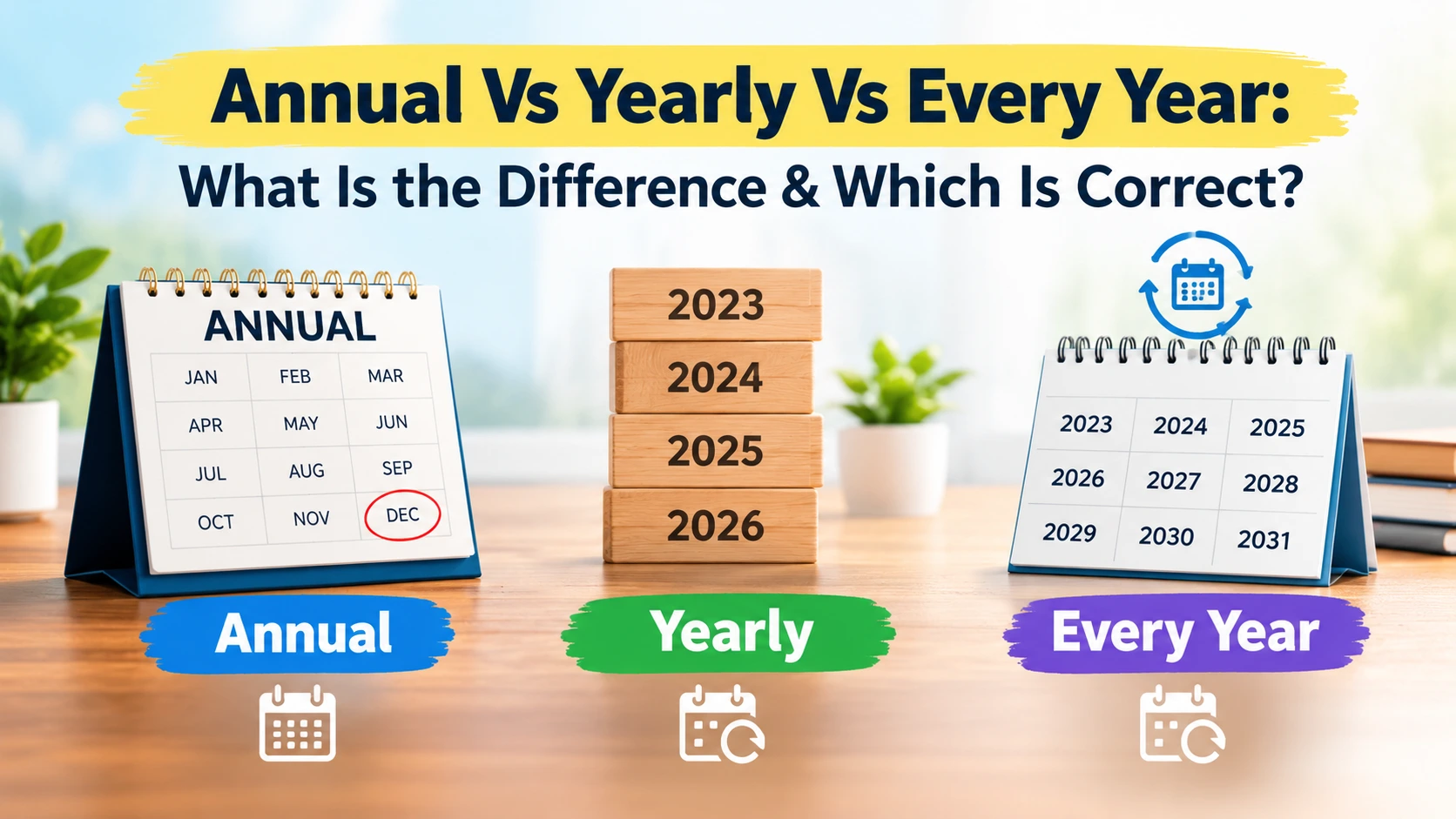
“Annual,” “yearly,” and “every year” all relate to something that happens once each year, so it is easy to assume they are completely interchangeable. However, … Read More
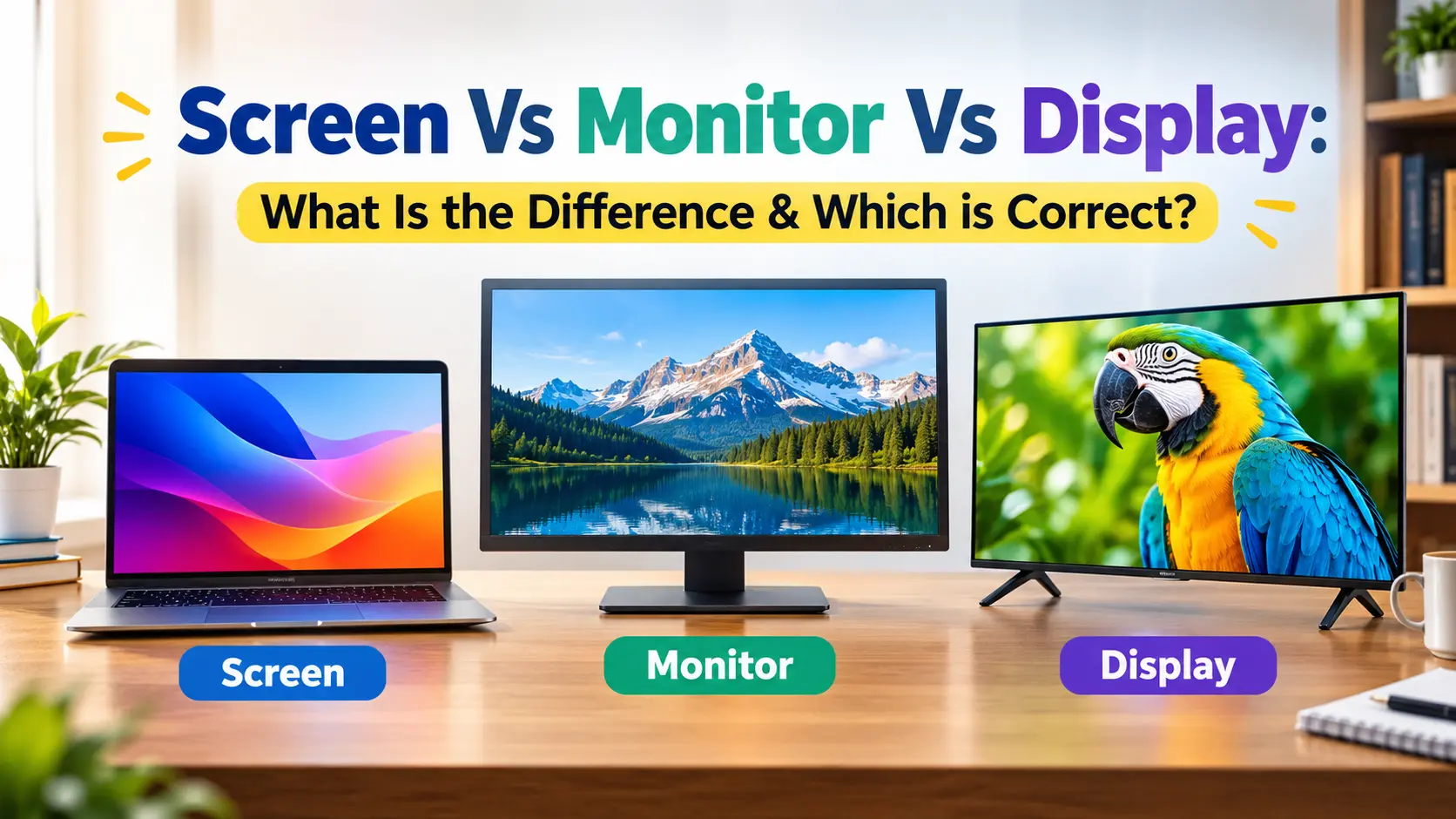
When discussing computers, phones, televisions, and other electronic devices, the words screen, monitor, and display are often used interchangeably. However, they do not always mean … Read More
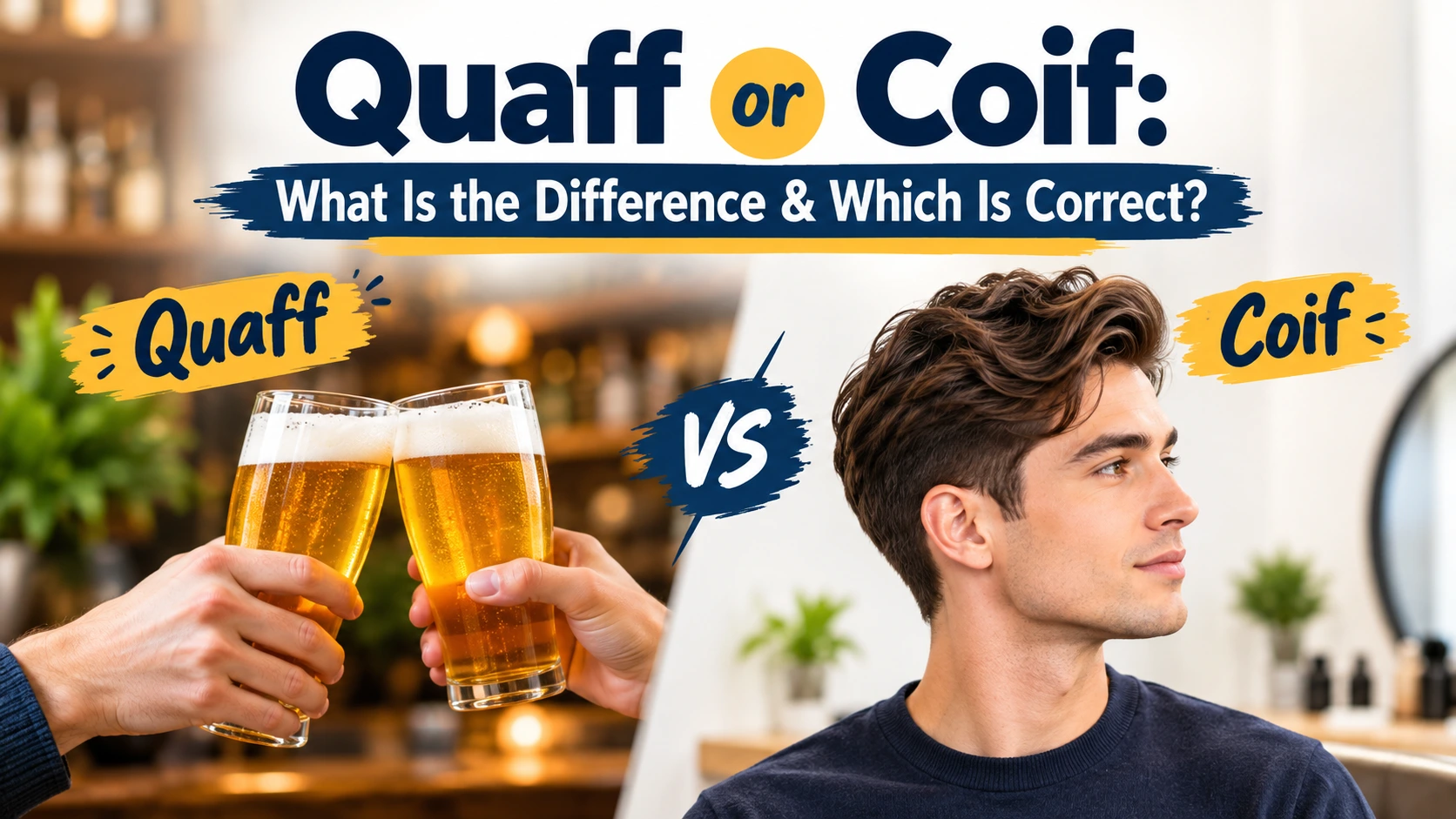
“Quaff” and “coif” look and sound somewhat similar, but they have completely different meanings and uses. Quaff is a verb related to drinking, while coif … Read More

“Felt” and “feel” are both correct English words, but they are used in different grammatical situations. The main difference is tense: “feel” is generally used … Read More